We've already talked about cleaning the lint traps in a previous posts:
Articles for Laundromat Owners, Laundry Room Managers, HR Professionals, Recruiters, Sales People, Job Seekers. Sounds like an odd mix of subjects right? Ev has had solid careers in all these areas. His brand is "A Heck of A Nice Guy," so he wants to pass on knowledge to others. Published with a touch of humor from someone in the trenches.
We've already talked about cleaning the lint traps in a previous posts:
If you have a laundry room or laundromat and need a task list to help train your laundry staff, here is a guide to use.
Feel free to take parts that apply to your laundry room and edit them for your own use on a sign or flyer.
Ev
A Heck of A Nice Guy
Cleaning Checklist and Instructions
Remember:
-Unless noted, please use only soap or soap and water, no chemicals,
when cleaning washers
-Dry off glass and stainless steel after washing to prevent streaking and rust
Stainless Steel Washers
1) Wipe down big stainless steel washers with WATER ONLY on
a rag
Then dry off with clean rag to avoid streaking
Stainless Steel polish can be used after cleaning, but still needs to be dried
to avoid streaks
Be sure to wipe off:
A.
door around window
B. front of machine
C. Top of machine especially the area in front of the soap tray
D. clean inside soap drawer with wet rag or maybe a soft bristled pad or brush
if lots of build up
E. wipe completely around inner door gasket making sure to get rag into
crevices to get old soap
F. clean mold between glass & rubber gasket with rag or soft scrubbing pad
This may involve rotating or taking
off gasket (check with manager first)
G. area around coin slot should be free of dirt in crevasses
H. leave front door open at least an inch to let inside air out
2)
White/Tan front loading washers use water only. Please check:
A. top
B. soap drawer (little remaining liquid okay but no chunks) should be soap
build up free
C. front window (you need to dry this with a rag)
D. area immediately under front of soap drawer and where fingers go to pull out
drawer
E. wipe off inside glass with wet rag then dry with dry rag
F. wipe out bottom of black door seal inside door. You'll find paper, socks,
debris in here
G. using edge of rag, scrape out old soap from the crease that connects the
flat part of the rubber door gasket with the outer lip of the gasket
H. wipe off metal area and rubber gasket around the basket opening once door is
open
I. wipe off back of washer door
J. area around coin slot should be free of dirt in crevasses
K. using the edge of the rag, scrub out soap from creases and cracks in the
front panel
L. scrape soap powder from area between soap drawer and top of soap drawer
holder
M. leave front door open at least an inch to let inside air out
3)
Top loading washers please check:
A. inside washtub
B. top of lid and top of the control panel
C. top and sides of agitator
D. inside the edge of the lid
E. area around coin slot should be free of dirt in crevasses
F. soap/bleach dispensers should be empty and wiped out with water and rag or
soft brush
G. leave lid open to air out washer
Dryers
A. wipe fingerprints off glass (this is done daily or on as needed basis)
B. wipe metal frame around window on the outside of the dryers
C. wipe around the glass frame on the inside of the dryer doors
D. check lint trap drawers (the drawer located just below the door)
E. area around coin slot should be free of dirt in crevasses
F. clean tops of dryers and tops of molding around dryers
G. using an old hanger, hook, or saw blade scrape out garbage from under dryers
Garbage
A. empty all garbage cans. It is okay to combine bags if only half full.
B. if mostly empty, but not stinky, feel free to leave for next time
C. trash gets thrown out in dumpster
D. keep cleaning closets and other access rooms free of dirt, trash, and
clutter
Outside
A. pick up anything large, obvious,
or ugly outside.
Full property cleaning three times per week
B. any large vents outside make
sure clean of lint at least once per week.
A little lint is okay
C. windows should be cleaned at
least once per week and more often after rain or
frost to get kids doodles off
D. window ledges both inside and
outside store
E. door windows follow same procedure
Bathroom
A. use bleach type cleaner and old
rag or some piece of clothing someone is throwing
away or a lost sock to clean the seat
and the rim.
Please wear gloves since it involves germs
B. scrub inside of bowl with toilet
brush at least once per week,
more often if brown build up
C. clean base of toilet by the
floor at least once per week
to prevent old urine build up
D. keep handle and top of tank
clean with bleach type cleaner
E. sinks should be free of soap
residue around handles and brown water stains
Floor
A. sweep floor dispose of dirt in garbage
B. sweep rugs. Dirt can go in
garbage or swept outside the door
C. mop floor where there is soap or
dirt or soda spill
Dry with rag or air dry if store closed
D. mop floor on a daily basis.
Be sure floor is dry before
customers arrive,
or dry with towels/mop if store is open
E. empty mop bucket by dumping into scrub
sink, or toilet
Machines Not
Working or Error Codes on Screen
A. any “error codes” or out of order
messages please place
an “out of order” message on
the machine with your initials, date, and what you think the problem is or was
B. Anyone needing refund, have them fill
out refund slip & put it in mailbox
Store Doors
A. Please close them when you are
done cleaning or if they are
propped open during the day
B. At night close them and lock
Clothes/Trinkets
left behind
A. Dirty clothes that are unwashed
found in washers throw away
B. Wet clothes found in washers after
doors are locked at night bag up
and put in lost and found with tag with date, what washer
found in,
and who found them.
If unclaimed after 72 hours throw
away, or dry and put into lost and found
C. Dry clothes left in dryers after
closing bag up and put in lost and found with tag with date, what dryer found in. If
unclaimed after 14 days add to donation pile
D. Rings, wallets, watches, or anything
else that looks like someone will want it back
please report to office and put it someplace
secure in the cleaning supplies area
I'm not an electrician. I'm in laundry equipment.
For some strange reason, even though I talk about laundry equipment all day to many people, I have a mental block about remembering the difference between 3 phase vs. single phase electrical power.
How does my mental block affect your hotel, laundromat, long term care facility, or any other business that uses laundry equipment? If you don't know the difference and understand what kind of equipment to buy when you need to replace your equipment you could cause damage to your equipment, your electrical system, or even start a fire.
So if you don't know the difference either, here is a quick explanation:
First you need to know what "phase" is.
"Phase" is how you describe the distribution of an electrical load from an AC power supply over a period of time. Don't ask me to explain it beyond that.
Single phase power in a piece of laundry equipment usually means it has two wires that need to be hooked up. One is the wire with the power phase) and the other is a neutral wire. Usually your household appliances use single phase power.
If single phase power has one power wire, then logically three phase power has three power wires.
Sometimes there is a fourth wire for a neutral as part of the circuit.
Almost all commercial buildings are wired with three phase power.
Practically what is the difference? Three phase power distributes power more evenly along any one or multiple circuits. It is also usually used when you have larger motors like AC or heating units, or multiple big machines that often operate at one time-like in a laundromat.
WHAT DO YOU NEED TO WORRY ABOUT?
Most new laundry equipment can be installed in either a single phase or three phase powered building because they have a transformer to "convert" power (convert isn't the proper term but I'll save the reason why for another article that explains what a transformer does) to the appropriate phase.
If you are dealing with older equipment or retooling an old store, know you can put a single phase machine in a three phase circuit, but you CAN'T put a three phase machine in a single phase circuit.
If you do that the consequences can be...well imagine all life coming to a complete stop and atoms everywhere exploding faster than the speed of light.
Okay, maybe not that bad, but you get the idea.
Ev
A Heck of A Nice Guy
If you have noticed any of these things, odds are someone tried to "string" your changer. If you don't know what "stringing" is I won't explain it in detail here (there are enough places for potential thieves to learn how to do this without this blog being one of them!).
I will just say that it involves putting a bill into a changer with a piece of string or fishing line attached.
When the changer has verified the bill and is about to put it into the stacker, the thief pulls the string and tries to get the dollar back and the quarters the changer dispenses.
Older changers are easier to do this with than newer changers, however that doesn't mean people won't try! The hole in the bills is where the string was attached before being pulled off by the person yanking on the string and by the torque of the changer pulling the bill inside.
Thieves will try stinging with any type of bill.
If you see one suspicious bill in your counting you probably don't have to worry. Your changer did its job. If you start seeing a bunch of these types of bills each day or week in your count, then you better watch your security cameras to see who might be trying this.
Ev
A Heck of A Nice Guy
Ev
A Heck of A Nice Guy
Ozone Examined-Planet Laundry Article
by Jeff Gardner | Aug 11, 2021

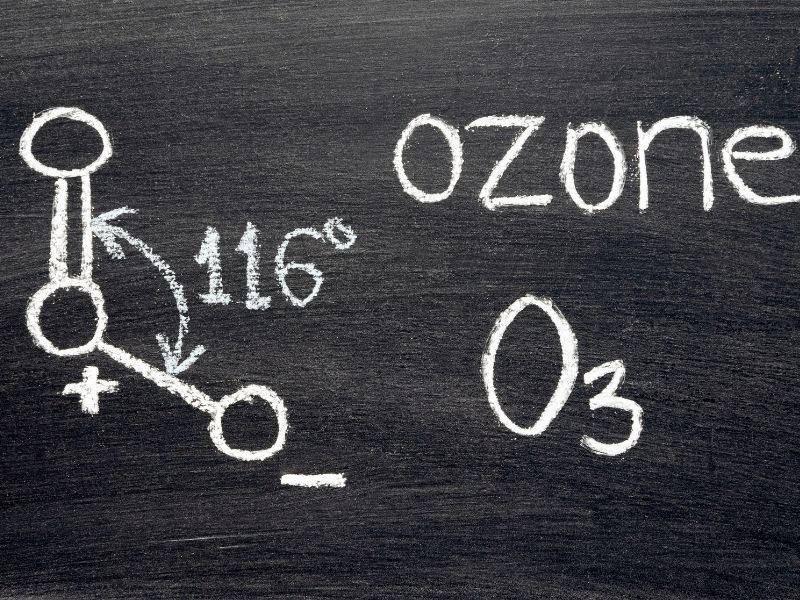
Let’s examine this mysterious, colorless gas.
One of the key advantages of ozone is that it keeps your store smelling fresh. If you’ve got a properly operating ozone system, you can be assured that, when a customer opens a machine, there will be no funky smell. There also will be no mold or mildew in the door gasket or soap dish. When you open your bulkheads, they will be clean and fresh-smelling. There will be no leftover residue and no excess smell from detergent, softeners and other chemicals. An ozone system can make your customers’ store visits seem like aromatherapy treatment.
Another advantage of ozone is the ability to clean in cold water. In fact, ozone actually gets consumed by water at about 110 degrees – so, if you’re mixing ozone with hot water, it will have virtually no use at all. Of course, cold-water cleaning has energy-saving and environmental advantages, which can provide owners with opportunities for rebates from their energy providers.
In addition, cleaning with ozone in cold water significantly reduces the amount of detergent and chemicals required – and increases the effectiveness of those chemicals. However, this sometimes can be a double-edged sword, as self-service customers are notorious for over-dosing their laundry with detergent. Unfortunately, such over-dosing can lessen ozone’s effectiveness.
In the cleaning world, ozone is referred to as a “wetting agent,” which means it opens up the fibers of a fabric to aid in the release of soils, as well as creating a natural softening effect. Ozone also will assist in reducing the fabric’s ability to retain moisture and, thus, reduce drying time.
Clearly, there are real benefits to utilizing ozone. However, there also are some chemical considerations when introducing it to your cleaning process.
First of all, ozone has no effect on oil-based stains. Ozone won’t remove any of those types of stains with any success. In fact, some oil stains will react to ozone by oxidizing and leaving behind a yellow stain. In general, cold-water cleaning – without certain types of chemistry – has no impact on oil-based stains.
A chemical dose in a warm or hot bath with no ozone is the best way to solve these types of stains. Fortunately, the chemicals with which ozone reacts poorly all work better in warm or hot water.
Those chemicals that negatively impact ozone are citrus-based cleaners and enzymes – both of which are ideal for attacking oils and greases. In fact, ozone will kill the enzymes and actually have a negative chemical reaction with citrus-based solvents.
Additionally, ozone and oxygen bleach cancel each other out. But you’ll notice that your ozonized cold rinses will be much more effective than bleaching. At my business, we’ve nearly eliminated bleaches from our chemical arsenal.
For typical, residential laundry loads, cleaning in cold water with a warm-water wash will be the most beneficial method. You’ll get the benefits of the ozone during the rinse cycles.
A commercial accounts application benefit of ozone is that you can follow a hot wash (more than 160 degrees) with a cold rinse (70 degrees or less) with no fabric shock, if the cold water is ozone-saturated.
What is the right amount of ozone? To find the answer, you need to understand your water. Every laundromat has different water, and it can change throughout the year, depending on its source.
The two major factors that affect the cleaning ability of water and ozone are hardness and pH levels. Ozone’s effectiveness is altered by both, so be sure your ozone system is designed around each. And, if you do commercial accounts work, have your chemical supplier check those levels a few times per year.
Traditionally, ozone is measured in laundry applications by an electrical charge (in millivolts) that increases in the water with the presence of an oxidizer. The measurement is called oxidation reduction potential (ORP).
As an example, a commercial swimming pool with chlorine (an oxidizer similar to ozone) will be between 650 and 750 ORP. By contrast, a typical laundry application will look to achieve an ORP reading in the 850 to 925 range.
Here is where water quality comes into play. ORP is not a measurement of ozone in the water. Rather, it’s a measurement of the effect ozone is having on the water to create the ideal level for cleaning. In other words, if your water is hard or features high PH levels, the ozone will be consumed, thus requiring a higher quality of ozone to reach the 850+ OPR reading required to enjoy the full benefits of ozone for a traditional laundry application.
As a result, it’s important to have ozone professionals size your system to ensure it will deliver the results your business needs.
There are two ways to get ozone into a washing machine. One way is to inject it into the cold water supply using a Venturi valve – making a single washer, a bank of washers or an entire laundromat’s cold water supply the delivery system for the ozone. The second method, which is common in fire/water restoration applications, involves “bubbling” the ozone directly into the sump at the bottom of the washer wheel.
Both methods have pros and cons. For example, ORP sensors last only a year or two and are sensitive any residue buildup. If ozone is being generated for each washer individually – as with the bubbling method – each washer would require a sensor. However, if the entire water supply or a dedicated group of washers are all on the same ozonized cold water supply – as with the injection method – the ozone can be measured at one single point.
With injection, ozone (at levels that are high enough to be effective in cleaning) will break down and deteriorate the rubber in most water valves more quickly than they normally might. Of course, if you already have high pH or hard water, you’re going to be experiencing that level of diaphragm deterioration in your washers anyway – and, therefore, you already should be replacing those diaphragms in your machines every couple of years.
If your water is soft or you have neutral or low pH levels, you will require less ozone to achieve the 850 to 925 ORP level. So, deterioration will be less of an issue.
Clearly, when bubbling ozone into the sump at the bottom of the washer, you’re avoiding the rubber components and water valves, so you won’t experience the deterioration to your valves. Again, with this method, you’ll traditionally have some type of sensor monitoring the ozone so that it doesn’t off-gas – and this means extra electronic equipment on each machine to regulate how much ozone is actually in the washer.
Excess ozone and the eventual excess off-gassing of that ozone into a confined space like a laundromat over a period of time is a potential risk to customers and staff. Ozone can have short-term respiratory effects, especially for those who already suffer from preexisting respiratory conditions. Just as a safety precaution, I would consider installing a room sensor that detects high ozone content in your laundromat.
When ozone tops a 975 ORP reading, the water typically can no longer “hold the ozone” within it any longer, and the gas begins to escape within the drum, which means a heavy ozone smell within that space.
No doubt, understanding the ways in which ozone can benefit a laundry operation and managing your expectations for ozone use is important.
If operating a correctly designed ozone system, you’ll see amazing results with many types of cleaning. Ozone clearly outperforms all other methods when tackling human or animal soils, such as urine, blood and other bodily fluids.
Gym clothing can be washed in just cold water. Any type of animal coverings or beds will be cleaned and sanitized – and the odors removed – in cold water alone. And terrycloth garments will look and feel like new after a few ozone washings, as the fibers will open up and any residual chemical buildup will be removed.
Perhaps best of all, at the end of the day you’re going to have a cleaner, more sanitized and better feeling laundromat with ozone. Your store will be much more appealing – and your customers will notice it.